Septic Inspections When Buying or Selling a Home in the NC Triad
What a home-sale septic inspection checks, how it fits your due diligence period, and how sellers can get ready.
Septic Inspections When Buying or Selling a Home in the NC Triad
Why buyers and lenders ask for one
Many homes in rural Guilford, Forsyth, Alamance, and Randolph counties run on a private septic system, and repairs to a tank or drain field can be expensive. Buyers often order a septic inspection so they know the system's condition before they are locked in. Some loans call for one too: for example, if an FHA appraiser sees signs that a septic system is failing, the loan can require an inspection or repair before closing.
Who can do the inspection
In North Carolina, a person who inspects a septic system for a home sale must be certified as an inspector by the state's on-site wastewater certification board. A general home inspector cannot do this part unless they also hold that certification, so ask before you book or schedule a separate septic inspection.
What an inspection usually covers
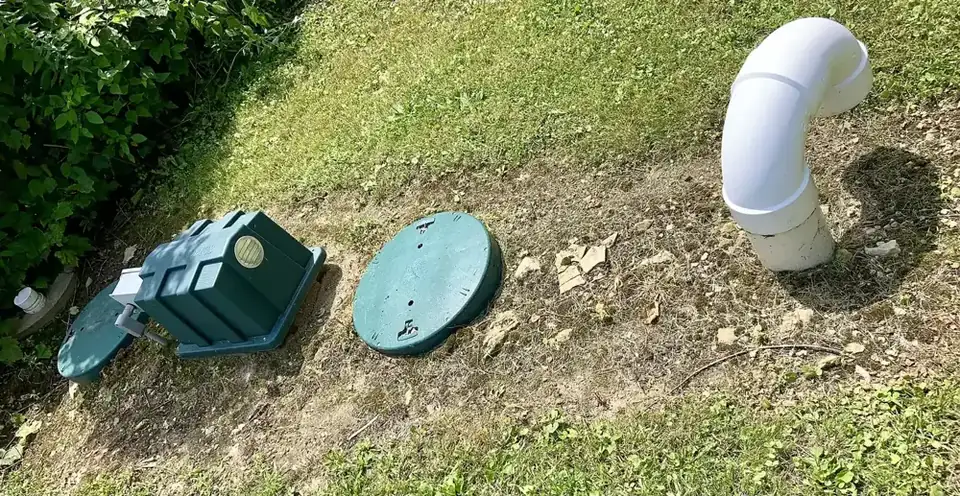
A point-of-sale inspection starts by finding the septic tank and noting how far it sits from the house, the well, and the property line. With the tank open and pumped, the inspector checks the lids, the baffle wall, the outlet tee and any effluent filter, the liquid level, roots, signs of leaks, and how much sludge and scum were in the tank. If there is a pump tank, they check the control panel, the alarms, and whether the pump moves wastewater to the next part of the system. They also look over the drain field for wet spots or sewage on the surface, traffic over the lines, and drainage problems.
Pump-and-inspect gives the full picture
A complete inspection needs the tank pumped so the inspector can see the baffles, walls, and outlet. If the buyer or seller declines pumping, the inspection report notes that the inspection was not complete. Pumping at the inspection also gives the next owner a fresh starting date for their own pumping schedule.
Check the permit and the bedroom count
The county environmental health office keeps septic permit records: Guilford, Forsyth, Alamance, or Randolph County, depending on where the home sits. The permit shows how many bedrooms the system was designed for, and part of the inspection is comparing that number to the bedrooms advertised in the listing. A four-bedroom listing on a three-bedroom permit is worth asking about before closing. Some older systems have no permit on file at all, which makes the inspection even more important.
Timing in the due diligence period
North Carolina home purchases usually include a due diligence period for inspections and research. Schedule the septic inspection early in that window, right after the home inspection if you can, because a records lookup, a pump-out, or a follow-up visit can take several days. If the system needs repair, the county may need to evaluate the site and issue a repair permit, and that takes time too.
If the inspection finds problems
Small items such as a cracked lid, a missing outlet tee, or a tank that is simply due for pumping are often quick fixes. Bigger problems, such as a failing drain field, sewage on the surface, or a system too small for the house, can mean a repair permit and new drain lines. Get a written estimate from a provider, then talk with your real estate agent or attorney about your options before the due diligence period ends, such as asking for repairs or a credit. Prices vary by property, and the provider sets the final price.
Tips for sellers
Gather your pump-out receipts and a copy of the septic permit before you list. Find the tank lids, or have them uncovered or fitted with risers, so the inspection goes faster. Fix running toilets and leaky fixtures, keep vehicles off the drain field, and ask the inspector how they want the tank left before the visit. If your system has a pump, keep the alarm working and have any required maintenance inspection reports handy.
More septic guides
Related help in the Triad
- Triad Land Clearing Pros for lot clearing that keeps machines off your drain field.
- Triad Tree Removal Pros for risky trees over the tank, field, or house before ice season.
Have a question or need a price? Calls are answered 24/7.
Quick Answers
Is a septic inspection required to sell a house in North Carolina?
North Carolina does not generally require one for a typical home sale, but buyers commonly order one during the due diligence period, and some loans can require one if the appraiser sees signs of a problem.
Who can do a septic inspection for a home sale in NC?
An inspector certified by the state's on-site wastewater certification board. A general home inspector may not be certified for septic systems, so ask before you book.
Does the septic tank need to be pumped for the inspection?
For a complete inspection, yes. Pumping lets the inspector see the baffles, walls, and outlet. If pumping is declined, the report notes that the inspection was not complete.
Get a Free, No-Obligation Quote
Tell us a little about the job. A local septic service provider will follow up about pricing and scheduling.
- No cost to request
- No obligation to book
- Prefer to talk? Call (336) 799-5985